Two Forms, Two Experiences
At first glance, a diamond is a diamond. Whether it sits in a ring or exists as a loose stone, its core attributes remain the same. Yet when it comes to selling, the form in which a diamond exists can significantly change the experience.
Many people assume that removing a diamond from its setting simplifies the process. Others believe that keeping it in jewelry preserves its value. In reality, both perspectives are incomplete. Selling loose diamonds and selling set jewelry involve different considerations, each with its own advantages and challenges.
Understanding these differences is essential for making informed decisions.
The Context of Set Jewelry
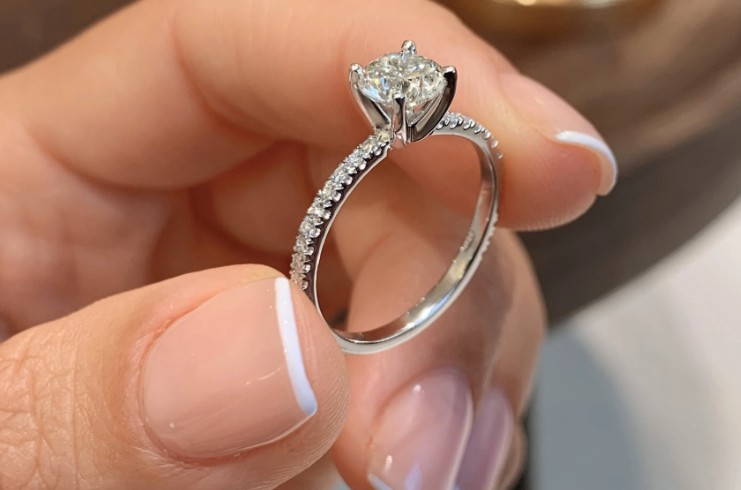
A diamond set in jewelry carries more than its material value. It carries design, craftsmanship, and context. The setting influences how the diamond appears—how it reflects light, how it is framed, and how it is perceived as a complete piece.
In some cases, a well-crafted design can enhance the diamond’s presence, making it appear more balanced and refined. In others, the setting may obscure certain characteristics, making evaluation more complex.
When selling jewelry, buyers must assess both the diamond and the setting. This dual evaluation can create opportunities, but it can also introduce variables that affect pricing and perception.
The Clarity of Loose Diamonds
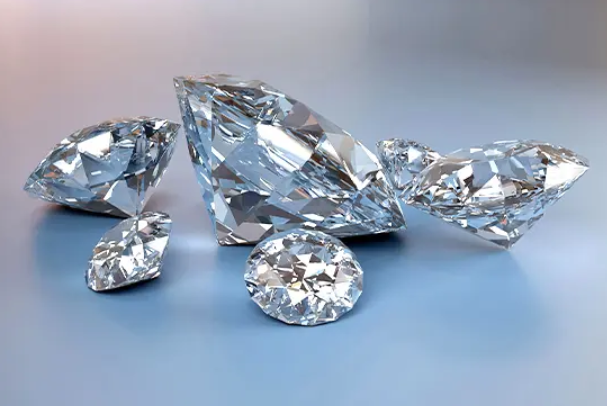
Loose diamonds, by contrast, exist without this additional layer. They are evaluated in their pure form, allowing every detail to be examined directly.
This creates a sense of clarity. Without a setting, the diamond’s cut, clarity, and proportions become fully visible. There is no external design influencing how the stone is perceived.
However, this clarity also brings greater scrutiny. Every aspect of the diamond is exposed, and small differences that might be less noticeable in a setting become more significant.
Why the Choice Matters
The decision to sell a diamond as jewelry or as a loose stone is not purely technical. It is strategic. It depends on the condition of the piece, the quality of the setting, and the expectations of the seller.
A strong design may add value by presenting the diamond in a cohesive and appealing way. On the other hand, removing the diamond from a less effective setting can allow its true qualities to stand out.
This decision requires understanding not only the diamond itself, but how it is being presented.
The Importance of Accurate Evaluation
Regardless of the form, accurate evaluation is essential. But with loose diamonds, precision becomes even more critical. Without the influence of a setting, there is nothing to guide perception—only the diamond itself.
This is where working with a reliable buyer of loose diamonds becomes particularly important. The ability to interpret subtle differences in cut, light performance, and proportion ensures that the diamond is assessed fairly and accurately.
Without this level of expertise, key details may be overlooked, leading to incomplete or inconsistent valuations.
How Perception Changes Without a Setting
A setting acts as a frame. It directs attention and influences how the diamond is seen. When this frame is removed, perception changes.
Loose diamonds must stand on their own. Their brilliance, symmetry, and balance become more apparent, but also more exposed. This can reveal strengths that were previously hidden—or highlight weaknesses that were less noticeable.
Understanding this shift in perception is crucial. It explains why the same diamond can be valued differently depending on how it is presented.
The Role of Craftsmanship
In set jewelry, craftsmanship plays a significant role. The quality of the setting affects not only appearance but also durability and wearability.
A well-crafted piece supports the diamond, enhancing its presence without competing with it. A poorly executed one can detract from the diamond’s potential, affecting both perception and value.
When selling jewelry, this craftsmanship becomes part of the evaluation. It adds another dimension to the process, one that must be considered alongside the diamond itself.
Emotional Considerations
There is also an emotional distinction between selling jewelry and selling loose diamonds. Jewelry often carries personal meaning tied to its design or history. A ring, for example, may represent a relationship or a specific moment in time.
Loose diamonds, while still valuable, tend to feel more neutral. They are less connected to a particular narrative and more focused on their inherent qualities.
This difference can influence how the selling process feels. Jewelry may require a more thoughtful approach, while loose diamonds often involve a more straightforward evaluation.
Simplicity vs Complexity
It is easy to assume that loose diamonds are simpler to sell. In some ways, they are—there are fewer elements to consider. Yet this simplicity is deceptive.
Without a setting, every detail matters more. The evaluation becomes more focused, more precise, and often more demanding. What appears straightforward on the surface reveals deeper complexity upon closer examination.
Choosing the Right Approach
Ultimately, the choice between selling a diamond as jewelry or as a loose stone depends on context. There is no universal answer. Each situation requires its own evaluation, taking into account both technical and personal factors.
The key is to approach the decision with awareness. To understand how form influences perception, how presentation affects value, and how each option aligns with your expectations.
When Understanding Leads to Better Decisions
In the end, the difference between selling loose diamonds and jewelry is not just about structure—it is about perspective. It is about seeing the diamond not only as an object, but as part of a broader context.
When this perspective is clear, decisions become easier. They are no longer based on assumptions, but on understanding.
And that understanding is what turns a complex process into a confident one—ensuring that the outcome feels not only accurate, but right.