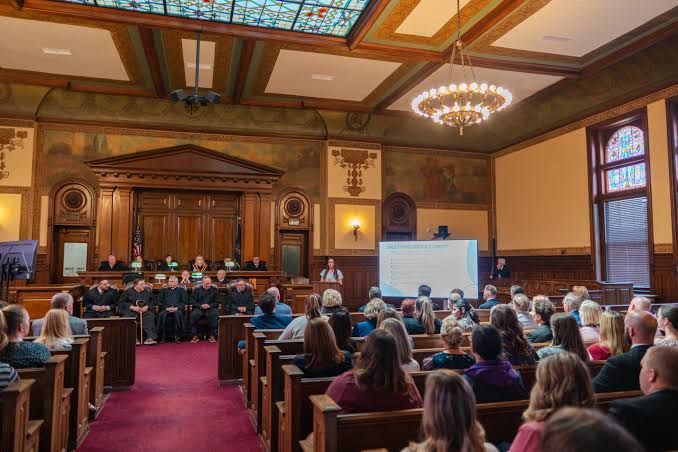
Trouble with the law can look mighty hopeless. Many people believe that a criminal prosecution will only result in penalties, probation or incarceration. But it is not always true. Wellness Court in Kansas City provides another option. The program is designed for treatment, support, and personal improvement. It gives people the tools to deal with the issues that typically contribute to criminal activity. The court considers the person behind the crime instead of merely focusing on the sanction. Organizations such as Beyond the Bench KC assist spread the word about these programs. Their work aligns with the idea that real change happens when courts identify and treat the underlying reasons for crime. If you’ve heard about Kansas City Specialty Courts, you might be asking yourself what Wellness Court is all about. I’ll walk you through it from start to end.
What Is a Wellness Court?
Wellness Court is a specialty court program for individuals whose criminal behavior is related to mental health, substance use, or other comparable difficulties. The goal is straightforward. Help participants become healthy, stable and productive community members. This Court has legal oversight and therapy services. “Participants are responsible for their actions but they are also supported.” It’s like a GPS when you make a bad turn. The goal is the same, but the path is different.
Who can participate?
Wellness Court is not for everyone. The case is considered with attention. Court workers, attorneys, prosecutors and treatment specialists consider a number of considerations before permitting participation. Some common factors include:
- Criminal Record
- Present charges
- demands of mental health
- Problems with substance use
- Willingness to adhere to program rules
The court wants participants willing to commit to change. That is a good start. A lot.
The Referral and Screening Phase
The process usually starts with a recommendation. Wellness Court may be proposed by a judge, defense counsel, prosecutor, probation officer, or treatment provider. A recommendation is followed by a screening. This step helps to know if the program is appropriate for the person. Participants may be asked to participate in interviews and evaluations. Medical and behavioral health information is reviewed by treatment experts. The court collects facts and then makes a ruling. That is by design and it is thorough.
Admission to the Program
Once approved, individuals are admitted to the Wellness Court program. This stage is frequently formalized by an agreement. Participants agree to abide by court regulations and treatment requirements. The agreement clearly spells out what’s expected. This may include:
- Going to counseling sessions
- Taking medication as directed
- Meeting with case-managers
- Frequent court appearances
- No drugs or alcohol
- Achieving treatment targets
The expectations are high. But the support system is often more powerful than many individuals think.
Developing a Treatment Plan
This is where things become more personal. Individualized therapy strategy for each person. Every circumstance is different. Treatment can include:
- Counseling for Mental Health
- Group counseling
- SUD therapy
- Housing assistance
- Employment help
- Education programs.
It’s more than ‘checking the boxes. The aim is for sustainable stability. People find things they’ve never really dealt with before. That can be tough sometimes. It may potentially change your life.
Regular Court Reviews
Participants regularly meet with the Wellness Court judge. The hearings offer a way for the court to monitor progress. The judge reads treatment records, talks about challenges and recognizes triumphs. This is where a lot of folks get caught off-guard. The courtroom mood is generally more supportive than in traditional criminal trials. The judge still holds the participants responsible. But there is also support and praise for positive steps. The modest win you have today can be the big win you have today.
Incentives & Penalties
Wellness Court employs both rewards and sanctions. Good behaviour is frequently rewarded. These benefits may include decreased reporting requirements, commendation from the court, or advancement to the next step of the program. A punishment may be imposed if a rule is broken. For example:
- Further therapy sessions
- Further court appearances
- Community service.
- Other penalties allowed by the court
Some people call this a dichotomy. It is and it isn’t. The court is supportive of participation but also expects accountability. They are happening at the same moment.
Getting Through Program Phases
Most Wellness Court programs consist of multiple phases. Participants advance by reaching goals and making progress. In general progress depends on:
- Attendance at treatment
- Goals of sobriety
- Affordable housing
- Employment initiatives
- Good conduct
Each stage builds on the previous one. Think of it like ascending a ladder. You may miss a step and not get up as fast, but if you keep plugging away at it, you will keep moving up.”
Graduation Day
Graduation is the last stage. Wellness Court participants who successfully complete all program requirements may graduate. This is the culmination of months, or even years, of hard work. Graduation ceremonies often include family members, treatment professionals, court workers and community supporters. This is a moment of enormous importance. It shows personal growth, responsibility and willingness to change. Graduation is a new beginning for many people.
The Importance of Wellness Court
Traditional court systems play essential significance. But some problems need more than punishment. Crime is typically entwined with mental health problems and substance abuse. If these problems are left unchecked they can prolong the cycle. Wellness Court wants to change that cycle. That’s why the community continues to support initiatives that are part of Kansas City Specialty Courts. Organizations like Beyond the Bench KC assist educate the public about these opportunities and the great impact they can have. People are accountable. They are also given tools to create better lives. And that’s the heart of the Wellness Court process. One step at a time. One task at a time. One by one.
FAQ
1. What is the goal of the Kansas City Wellness Court?
Short answer: Wellness Court assists the participants in addressing underlying issues that lead to criminal behavior.
Detailed Answer: The program is focused on therapy, recovery and accountability. It combines court supervision with resources to assist participants live healthier and more stable lives.
2. Who May Participate in Wellness Court?
Short answer: It relies on a lot of legal and personal considerations.
Detailed Answer: Court authorities consider criminal background, current charges, treatment needs, and willingness to comply with program terms. Not all defendants are eligible yet many are screened in.
3. What is the length of the Wellness Court program?
Short Answer: Depends on the individual’s progression.
Detailed Answer: The majority of participants stay in the program for months or more. Progress is contingent upon adherence to treatment goals, court evaluations and program guidelines.
4. What if a participant breaks a Wellness Court rule?
Short answer: The court has the power to sanction.
Detailed Answer: Sanctions could include anything from more therapy sessions, community service, or more regular court appearances. How the participant responds will depend on the nature of the violation and the person’s overall progress.
5. What is the next step once you graduate from Wellness Court?
Short answer: Graduates finish the program and go on to more stability.
Detailed Answer : And successful graduates frequently depart with greater coping skills, stronger support systems, progress in treatment and a clearer route toward long-term success. Depending on the circumstances, program completion can potentially have a positive effect on the criminal case itself.