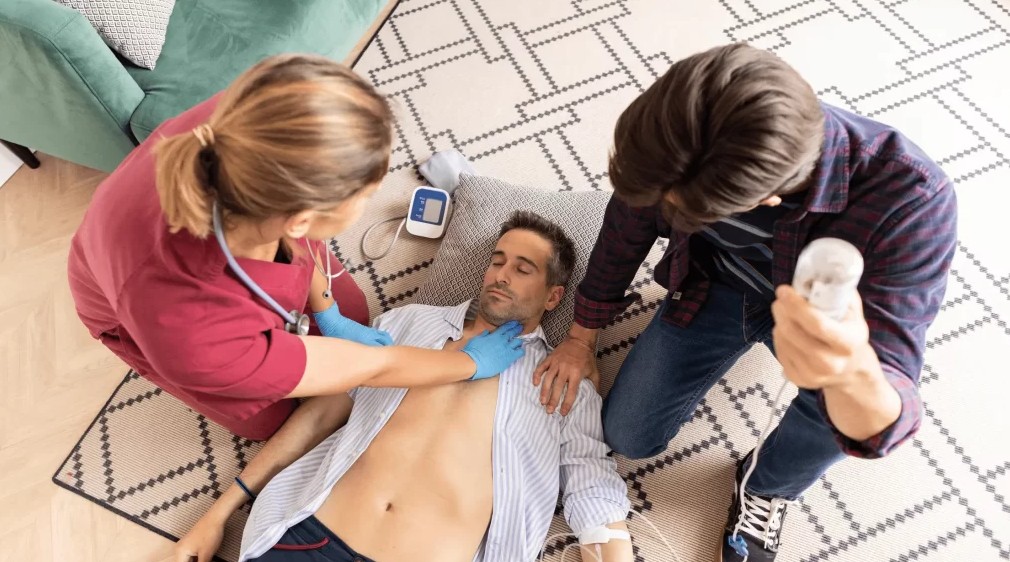
Rarely do medical emergencies occur on schedule. A coworker may unexpectedly pass out, a family member may sustain a serious burn while preparing supper, or a child may tumble from a bicycle. The behaviours of others in the vicinity frequently have a big impact during the initial minutes before expert assistance comes. For this reason, having practical first aid skills has grown more and more important in today’s world. They provide regular people the self-assurance to react coolly, lower risks, and deliver prompt care that could lead to better results.
Learning first aid involves more than just memorisation of protocols. It involves knowing how to evaluate a situation, safeguard others and yourself, and make deliberate choices under pressure. These skills last for years and can be used in a wide range of daily circumstances.
Practical Experience Is The First Step Towards Confidence
Because they are fearful of making a mistake, many people are reluctant to assist during an emergency. By letting participants practice strategies in real-world scenarios, practical training eliminates a lot of that ambiguity. Frequent practical exercises boost confidence and make it simpler to react fast rather than freeze under duress.
Because it replaces fear with knowledge, people who finish first aid courses Brisbane frequently say that their training is empowering. They acquire a comprehensive understanding of how to handle common injuries, bleeding, burns, fractures, choking episodes, and other situations instead of speculating about what to do.
Unexpected Risks Can Occur In Daily Life
Extreme sports or hazardous jobs are not the only locations where emergencies can occur. Every day, they take place in homes, offices, parks, shopping malls, schools, and kitchens. Someone nearby must act quickly in the event of even minor mishaps like wounds, falls, allergic reactions, or heat-related illnesses.
Knowing the fundamentals of emergency care is beneficial for teachers, coaches, parents, grandparents, and community volunteers. Everyone in their immediate vicinity feels safer when someone is able to help another person without losing their composure.
Competencies That Remain Useful For Years
First aid education is useful for the rest of one’s life, unlike many short-term learning experiences. The fundamental ideas of identifying danger, evaluating the circumstances, and offering prompt assistance are ageless, even though methods may be altered from time to time.
Obtaining a first aid certificate Brisbane also shows a dedication to individual accountability and public safety. Candidates with these practical skills are valued by many employers because they make the workplace safer and can help coworkers in unforeseen circumstances.
CPR Can Preserve Valuable Time
Learning cardiopulmonary resuscitation is one of the most important aspects of first aid training. Cardiac emergencies need to be treated right away because the chance of survival decreases with each minute that goes by without help. It might not be sufficient to just wait for emergency assistance.
Participants in high-quality CPR and first aid training learn how to identify cardiac arrest, accurately administer chest compressions, and react with assurance until trained medical personnel arrive. Having the information at hand gives people and their families peace of mind, even if they never need to employ these methods.
Developing Preparedness To Strengthen Communities
When more people have useful emergency response abilities, communities grow stronger. A community is inherently more resilient when its members know how to help one another in the event of an accident. When instructors receive training, schools gain. Coaches who are knowledgeable about injury management make sports teams safer. By encouraging employees to learn first aid, businesses can foster a more secure workplace.
A positive cycle of readiness spreads throughout families, companies, and local communities as prepared people frequently encourage others to acquire these abilities as well.
Better Decision-Making Is Supported By First Aid
Treating injuries is simply one aspect of practical first aid. Additionally, it teaches people how to maintain composure, speak clearly, and make wise choices under pressure. These problem-solving skills frequently prove useful in daily life and go beyond emergency scenarios.
Trained people are more likely to calmly evaluate dangers, prioritise tasks, and cooperate with others until more assistance arrives rather than reacting emotionally.
Conclusion
It is more crucial than ever to have practical first aid skills. Unexpected situations continue to be a part of daily life as people spend time in public places, at work, at home, and at school. It can be consoling, less complicated, and even life-saving to know how to react in those crucial early moments. It takes more than just obtaining a certification to invest time in developing these abilities. It’s about developing into someone who can significantly impact others when they most need assistance.